
Journal /
Exploring the Enchanting World of Rhododendrons
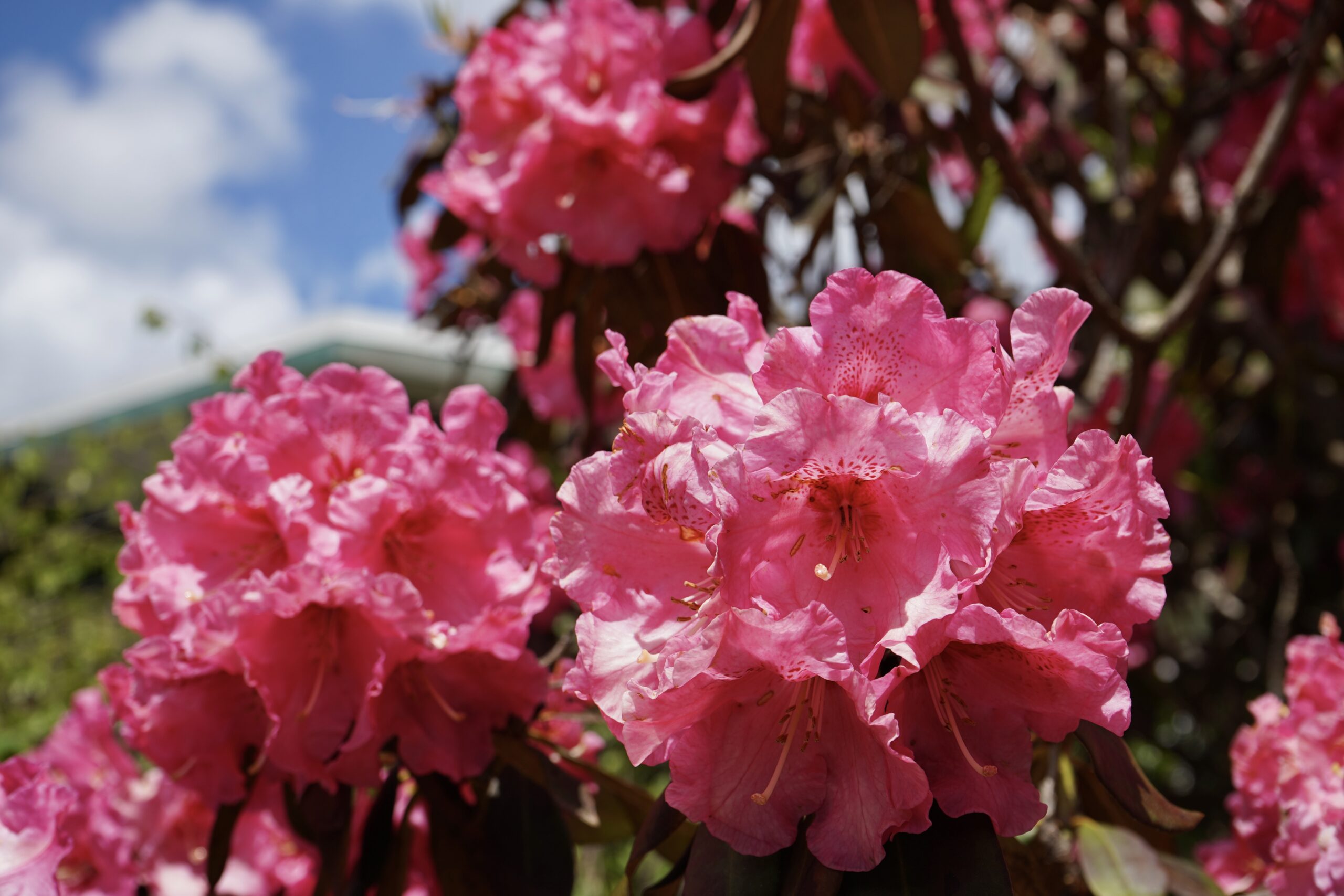
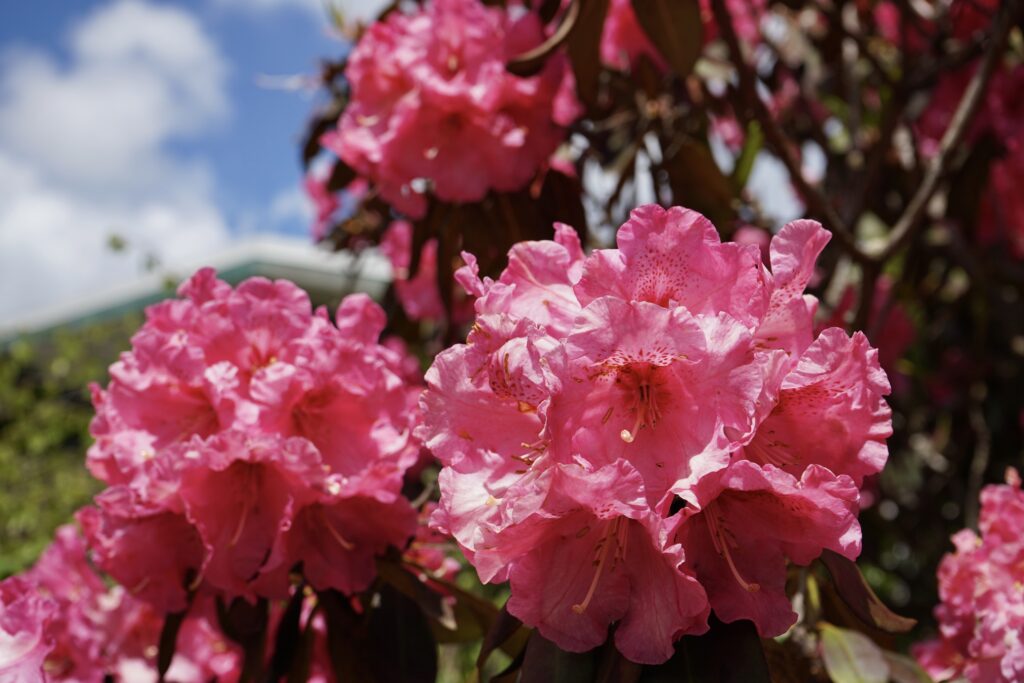
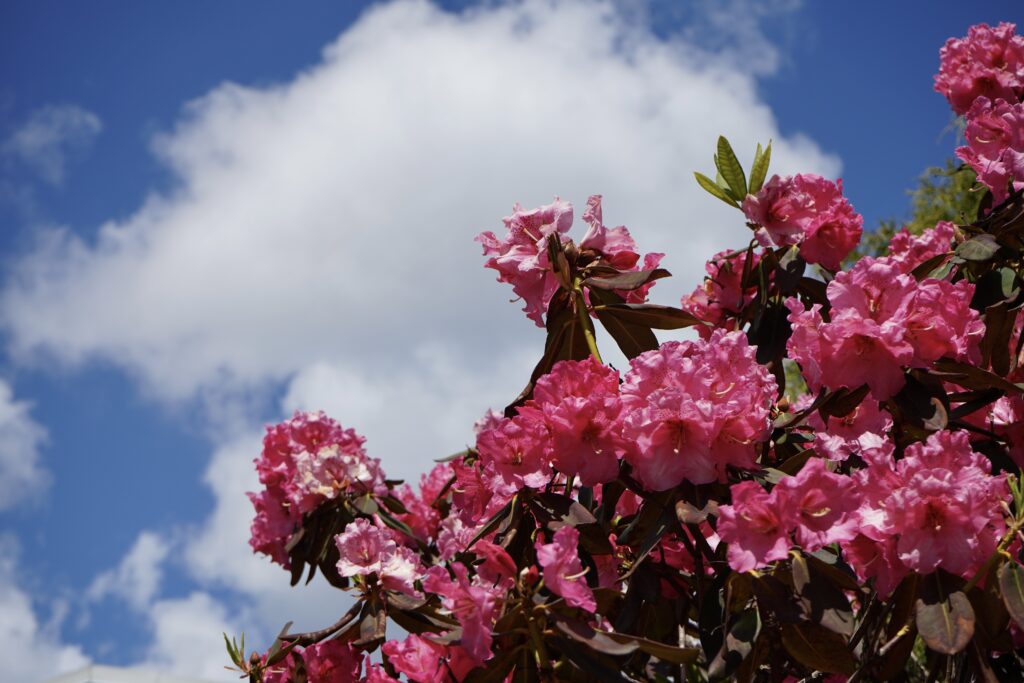
Nestled amidst lush forests and mountainous landscapes, rhododendrons emerge as vibrant symbols of natural beauty. These stunning flowering plants belong to the genus Rhododendron, comprising over a thousand species, each boasting unique hues and captivating forms. Renowned for their ornamental value, rhododendrons have enchanted botanists, artists, and nature enthusiasts for centuries, earning them a revered status in gardens and wilderness alike.
A Botanical Marvel: Rhododendrons, hailed for their resplendent blooms, are indigenous to diverse regions across the globe, from the misty slopes of the Himalayas to the temperate woodlands of North America. Their botanical diversity encompasses an array of sizes, from diminutive groundcovers to towering trees, accommodating a spectrum of ecological niches. Characterized by glossy, leathery leaves and showy clusters of flowers, rhododendrons exhibit a breathtaking array of colors, including fiery reds, soft pinks, and velvety purples.
Cultural Significance: Beyond their botanical allure, rhododendrons hold cultural significance in many societies. In parts of Asia, particularly Nepal and Bhutan, these flowers are revered as symbols of purity and spirituality, often adorning religious ceremonies and festivals. In Western culture, rhododendrons have inspired artists and poets, their vibrant blossoms immortalized in paintings and verses as emblems of beauty and resilience.
Garden Elegance: Rhododendrons reign supreme in the realm of garden design, lending their charm to landscapes around the world. From sprawling estates to intimate courtyards, these plants add a splash of color and texture to any setting. Gardeners cherish the versatility of rhododendrons, utilizing them as focal points, hedges, and borders to create dynamic outdoor spaces. With careful selection, enthusiasts can enjoy a continuous display of blooms throughout the spring and summer months, transforming gardens into veritable tapestries of color.
Environmental Guardians: Beyond their aesthetic appeal, rhododendrons play a crucial role in ecosystem health. Their evergreen foliage provides shelter and sustenance for a myriad of wildlife, including birds, insects, and small mammals. Moreover, these plants contribute to soil stabilization, preventing erosion in mountainous regions and protecting fragile ecosystems. However, in some areas, particularly where introduced species have become invasive, rhododendrons can outcompete native flora, underscoring the importance of responsible cultivation and conservation efforts.
Challenges and Conservation: Despite their resilience, rhododendrons face an array of threats in the wild, including habitat loss, climate change, and disease. In response, botanists and conservationists are working tirelessly to preserve vulnerable species and their habitats through initiatives such as habitat restoration, ex-situ conservation, and public awareness campaigns. By fostering collaboration between scientists, policymakers, and local communities, these efforts strive to safeguard the future of these botanical treasures for generations to come.
Conclusion: In a world brimming with natural wonders, rhododendrons stand out as radiant ambassadors of biodiversity and beauty. From their humble origins in remote mountain valleys to their exalted status in gardens and parks, these floral marvels continue to captivate hearts and minds across cultures and continents. As stewards of the natural world, let us celebrate and protect these magnificent plants, ensuring that the legacy of the rhododendron endures for posterity.
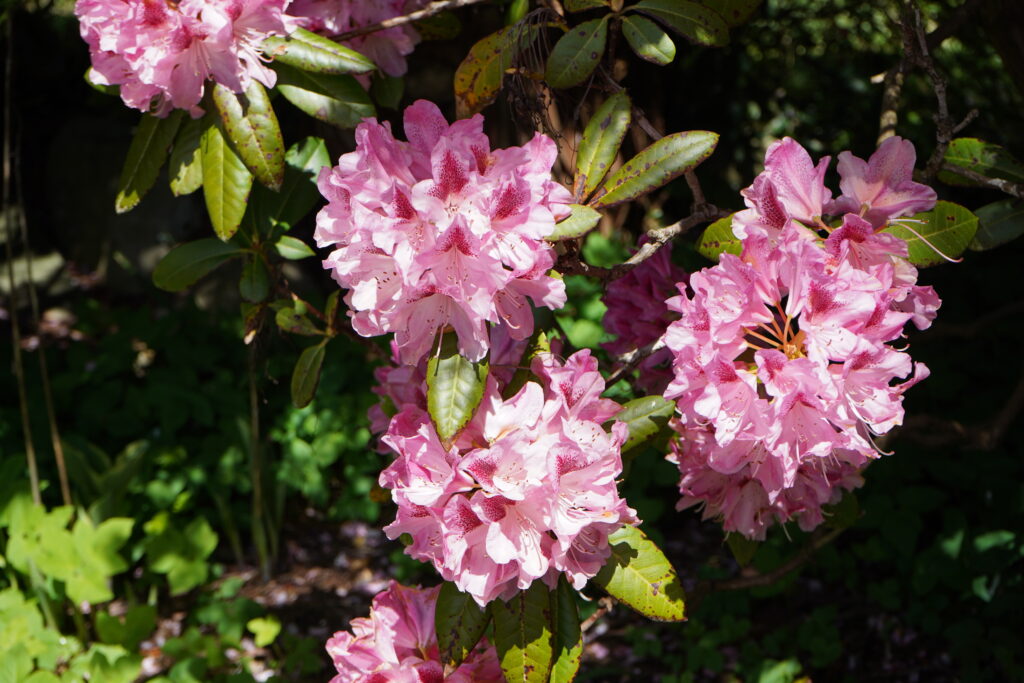
介绍: 藏身在葱郁的森林和多山的景观之间,杜鹃花成为自然美的生动象征。这些令人惊叹的开花植物属于杜鹃花属,包括一千多种物种,每种都拥有独特的色调和迷人的形态。以其装饰价值而闻名,杜鹃花已经迷住了植物学家、艺术家和自然爱好者几个世纪,使它们在花园和荒野中都享有崇高的地位。
植物奇迹: 杜鹃花因其灿烂的花朵而受到赞誉,是全球各地多样化地区的本地植物,从喜马拉雅山脉的雾气缭绕的山坡到北美的温带森林。它们的植物多样性涵盖了各种大小,从微小的地被植物到高大的树木,适应各种生态位。以光泽的、皮质的叶子和华丽的花序为特征,杜鹃花展示了令人叹为观止的一系列颜色,包括炽热的红色、柔和的粉红色和柔软的紫色。
文化意义: 除了它们的植物魅力外,杜鹃花在许多社会中还具有文化意义。在亚洲的一些地区,尤其是尼泊尔和不丹,这些花被尊为纯洁和灵性的象征,常常装饰在宗教仪式和节日中。在西方文化中,杜鹃花激发了艺术家和诗人的灵感,它们鲜艳的花朵被永远地镌刻在绘画和诗歌中,成为美丽和坚韧的象征。
花园优雅: 杜鹃花在花园设计领域中占据主导地位,为全球各地的景观增添魅力。从广阔的庄园到亲密的庭院,这些植物为任何环境增添了色彩和质感。园丁们珍视杜鹃花的多功能性,将它们用作焦点、篱笆和边界,创造出动态的户外空间。通过精心的选择,爱好者们可以在春夏季节享受连续的花朵展示,将花园变成色彩斑斓的挂毯。
环境守护者: 除了其审美吸引力外,杜鹃花在生态系统健康中起着至关重要的作用。它们的常绿植被为各种野生动物提供了庇护和食物,包括鸟类、昆虫和小型哺乳动物。此外,这些植物还有助于土壤稳定,防止山区侵蚀,并保护脆弱的生态系统。然而,在一些地区,特别是引入的物种变得侵入性的地区,杜鹃花可能会与本地植物竞争,突显了负责任的培育和保护工作的重要性。
挑战和保护: 尽管它们很有韧性,但杜鹃花在野外面临着各种威胁,包括栖息地丧失、气候变化和疾病。作为应对,植物学家和保护主义者正在不懈努力通过栖息地恢复、野外保护和公众意识宣传等举措来保护脆弱物种及其栖息地。通过促进科学家、政策制定者和当地社区之间的合作,这些努力致力于保护这些植物宝藏的未来,使其流传下去。
结论: 在一个充满自然奇观的世界中,杜鹃花作为生物多样性和美丽的光辉使者显得格外突出。从遥远的山谷谦卑的起源到花园和公园的崇高地位,这些花卉奇迹继续在跨文化和跨大陆的心灵中吸引着人们的注意。作为自然界的管理者,让我们一起庆祝和保护这些壮丽的植物,确保杜鹃花的遗产为后人所继承。