
Journal /
Exploring Suzaku Cherry Blossoms: A Beloved Variety in the Sakura Family
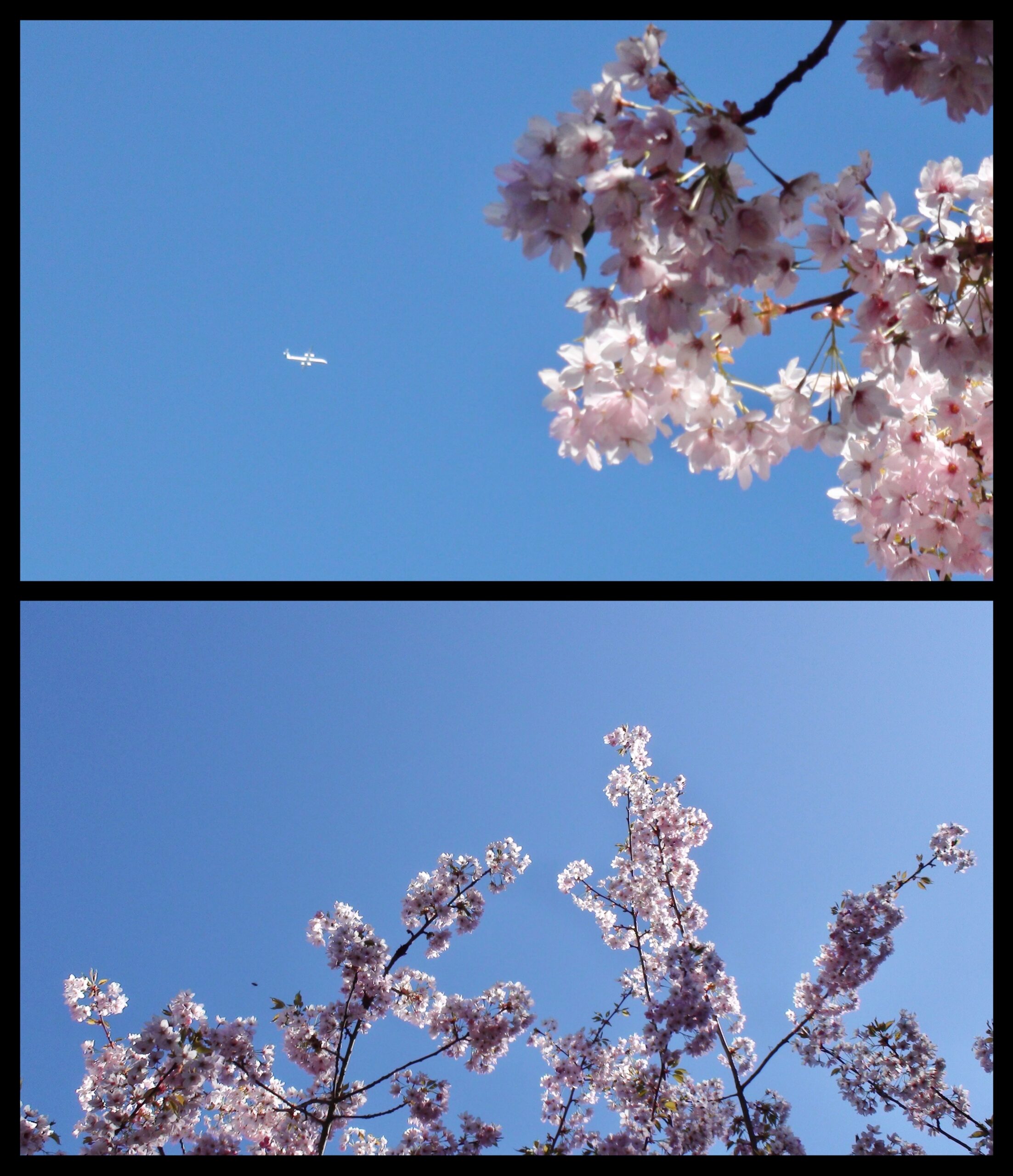
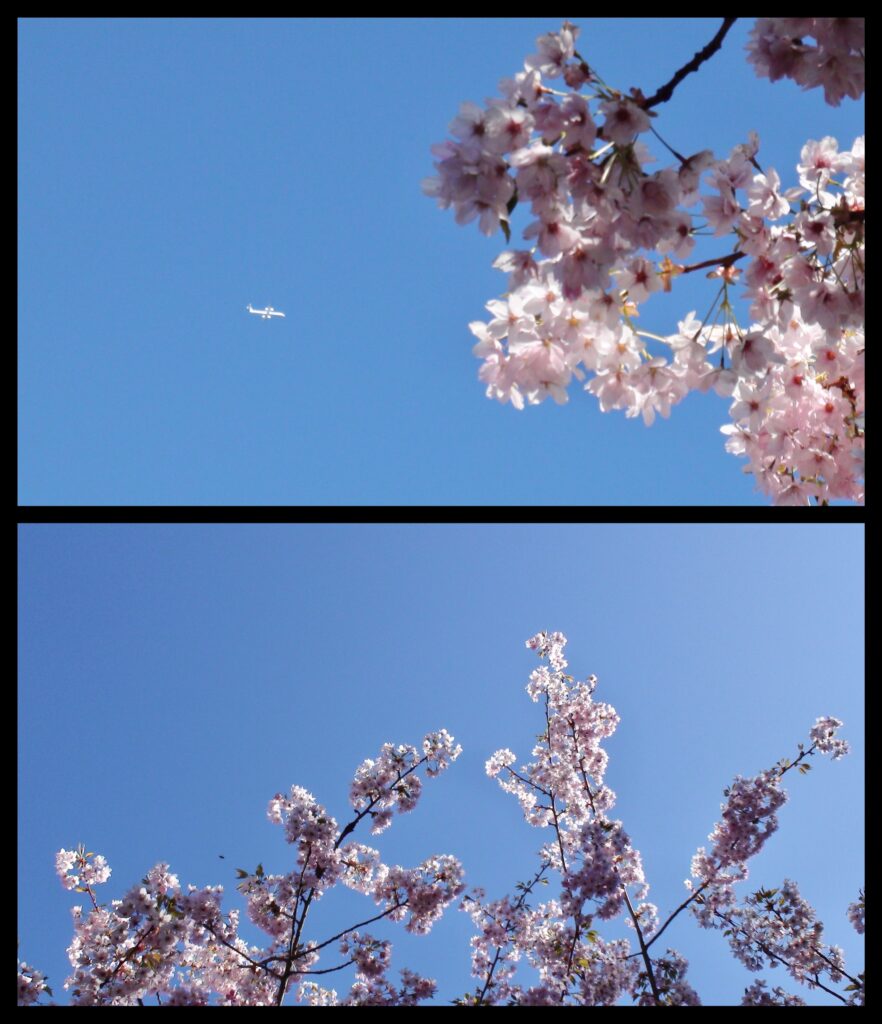
Suzaku cherry blossoms, a beloved variety among sakura, have captured the hearts of countless individuals with their enchanting floral beauty and unique characteristics. Let’s delve into the world of Suzaku cherry blossoms together, understanding their growing environment, features, and cultural significance.
Growing Environment:
Suzaku cherry blossoms are a cold-resistant variety, typically found in temperate regions. They thrive in environments with abundant sunlight and cool climates, enduring low temperatures during chilly winters and quickly blooming in spring. These cherry blossoms exhibit strong adaptability and can grow in various types of soil, preferring loose, well-drained soil.
Features:
- Flowers: Suzaku cherry blossoms display hues ranging from light pink to deep red, with full and soft petals that form elegant shapes. Each petal is adorned with delicate textures, showcasing captivating floral beauty.
- Tree Form: Suzaku cherry blossom trees come in various shapes, including upright single-trunk forms and broad, multi-branched forms. Their crowns are well-balanced, with flexible branches and lush foliage, evoking a sense of vitality.
- Blooming Period: Suzaku cherry blossoms typically bloom in spring, with the specific timing depending on climate and growing conditions. During the blooming period, the trees are adorned with dense clusters of flowers, creating a vibrant and colorful spectacle that attracts numerous visitors for flower viewing and photography.
Cultural Significance:
In Eastern culture, Suzaku cherry blossoms hold profound symbolic meaning, often regarded as auspicious and beautiful symbols. They frequently appear in poetry and literature, praised as messengers of spring, embodying people’s aspirations for a beautiful life. Additionally, in countries like Japan, grand cherry blossom festivals are held during the blooming season, attracting countless tourists and becoming significant cultural events.
Suzaku cherry blossoms, as a captivating variety of sakura, not only represent the beauty of nature but also carry people’s aspirations and blessings for a better life. Let us cherish every encounter with Suzaku cherry blossoms, experiencing the beauty and blessings they bring.
朱雀樱,是樱花中一种备受喜爱的品种,其迷人的花姿和独特的特点吸引了无数人的眼球。让我们一起来探秘朱雀樱,了解它的生长环境、特征以及文化内涵。
生长环境:
朱雀樱是一种耐寒的樱花品种,通常生长于温带地区。它们喜欢阳光充足、气候凉爽的环境,在寒冷的冬季能够承受低温,并在春季迅速绽放。朱雀樱适应性强,可在不同类型的土壤中生长,但以疏松、排水良好的土壤为宜。
特征:
- 花朵: 朱雀樱的花朵呈现出粉红色至深红色的色调,花瓣丰满而柔软,形态优美。每朵花瓣都充满了细腻的纹理,展现出迷人的花姿。
- 树形: 朱雀樱的树形多样,既有直立的单干树形,也有宽松的多枝树形。树冠疏密有致,枝条柔韧,枝叶繁茂,给人一种生机勃勃的感觉。
- 花期: 朱雀樱的花期通常在春季,具体时间取决于气候和生长环境。在花期来临时,树上花密如云,构成一幅绚丽多彩的画面,吸引了大量游人前来赏花拍照。
文化内涵:
朱雀樱在东方文化中具有深厚的内涵,常被视为吉祥、美好的象征。它常常出现在诗词歌赋中,被赞美为春天的使者,寄托了人们对美好生活的向往和祝愿。此外,在日本等地,樱花盛开时还会举办盛大的赏樱节,吸引着无数游客前来观赏,成为了一种重要的文化活动。
朱雀樱,作为一种迷人的樱花品种,不仅仅是自然界的美丽产物,更承载着人们对美好生活的向往和祝愿。让我们珍惜每一次与朱雀樱相遇的机会,感受其带来的美好与祝福。